


Pregnancy brings many changes to the body, and your skin is no exception. Some skin issues that arise during pregnancy can feel unique, from cravings for unusual foods to new skin concerns like melasma and stretch marks. It’s common for expectant mothers to experience skin changes, and understanding how to manage them can make a significant difference.
Melasma
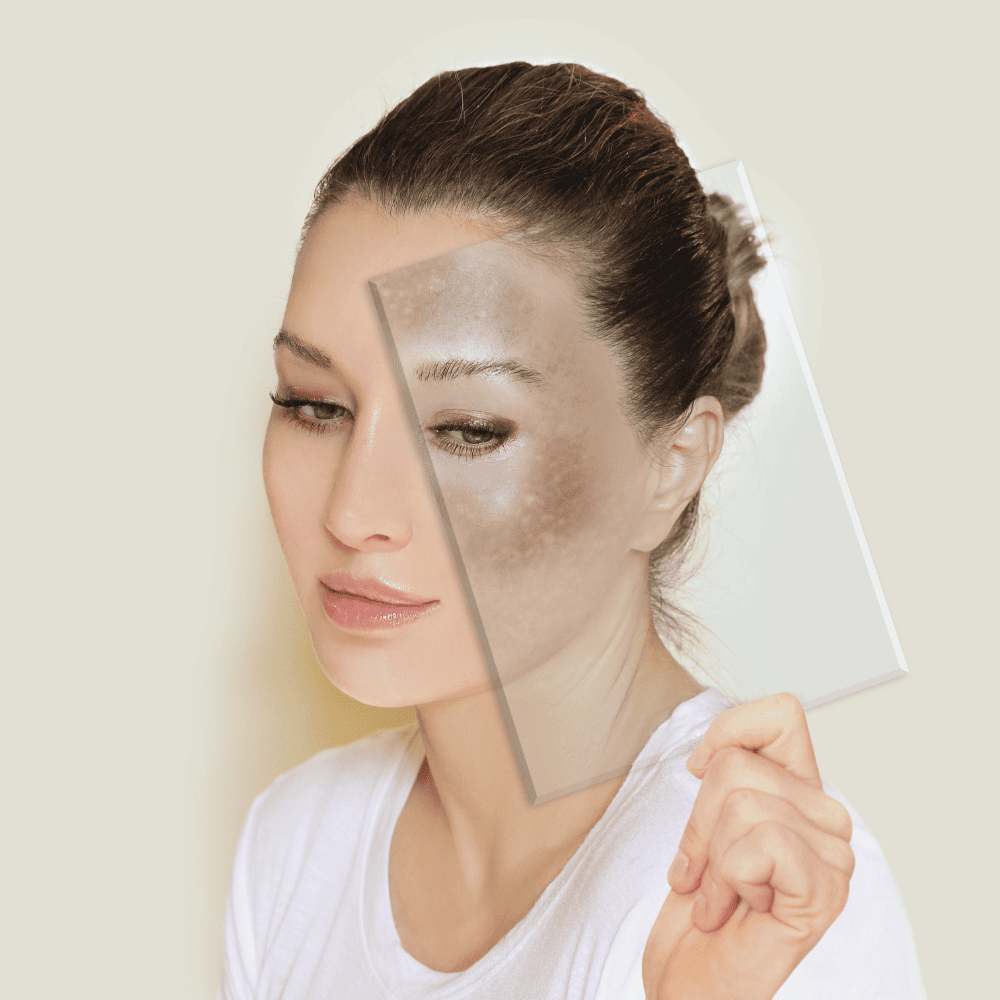
One of the most common pregnancy-related skin concerns is melasma, which appears as dark, irregular patches on the face. These patches are caused by hormonal changes and are typically seen across the forehead, nose, and cheeks. Although melasma usually fades after childbirth, it can be managed with some steps.
The most important step is sun protection. Sunscreen helps prevent the pigmentation from worsening. Choose a mineral sunscreen, which is gentler on sensitive skin during pregnancy. Some options to consider are:
- Neostrata Sheer Physical Protection SPF 50 PA++++
- Murad City Skin Broad Spectrum SPF 50
- Skingredients Skin Shield SPF 50 PA+++
These sunscreens offer protection from harmful UV rays, which could make melasma worse. For those concerned, incorporating a brightening serum with ingredients like vitamin C or liquorice root extract can help reduce pigmentation.
Stretch Marks
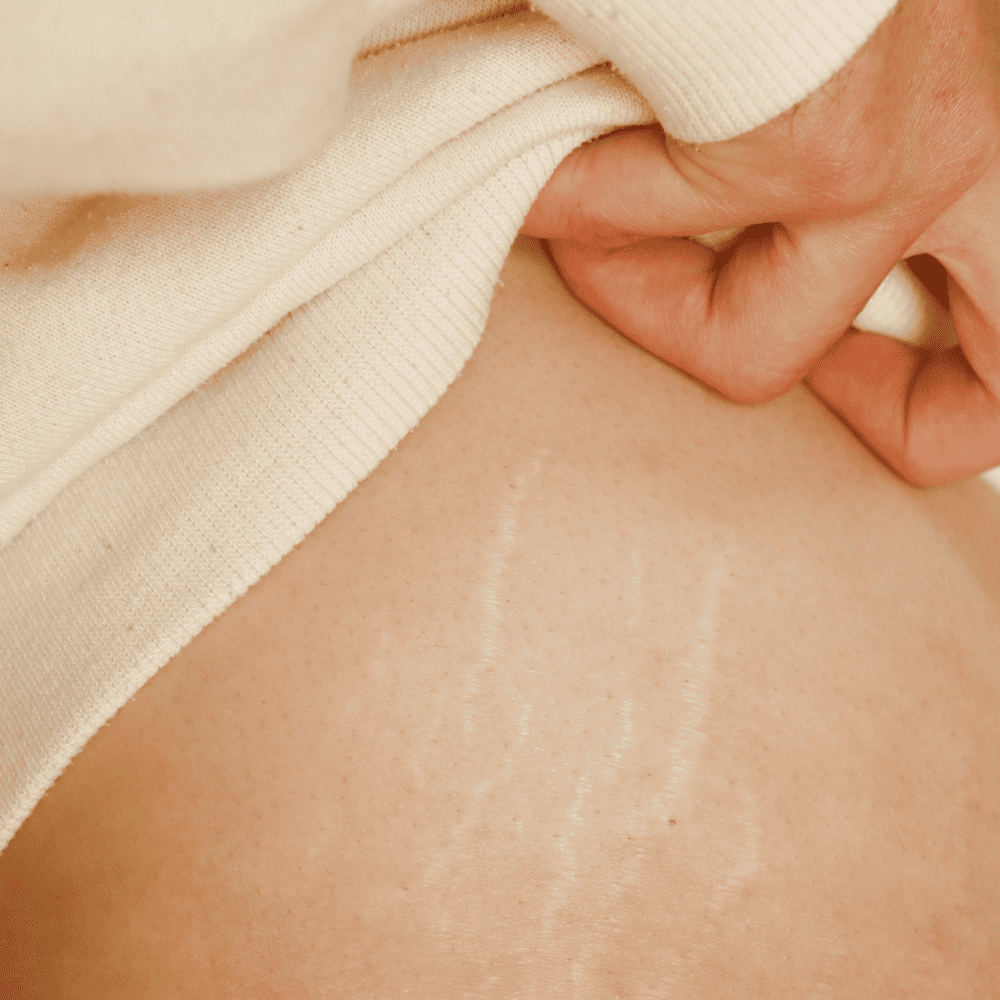
Stretch marks are another concern that many pregnant individuals face. These scars often appear in the second trimester when the skin stretches rapidly due to the growing baby. The key to reducing their appearance is early intervention.
Products like Basq Intensive Stretch Mark Butter and Basq Resilient Body Stretch Mark Oil are excellent for reducing stretch marks. These products contain ingredients like biopeptides, darutoside, and algisium-C, all proven to support skin elasticity and healing.
Lack of Sleep
Pregnancy can also impact sleep, which can, in turn, affect the appearance of your skin. Poor sleep may lead to dullness, puffiness, and dark circles. The body performs vital skin processes during rest, so sleep deprivation can take a toll on your complexion.
If sleep is elusive, consider factors such as digestion, stress, or temperature. Avoid heavy meals before bed and stay hydrated earlier in the day to avoid waking up for bathroom trips. A calming bedtime routine can also help promote better sleep.
What to Do If You’re Concerned About Your Skin
Pregnancy skin changes can be surprising, and it’s essential to stay informed. If your skin undergoes more significant changes than you expected or if you’re uncertain about product safety, consider consulting a skincare professional. You may also reach out to services like pregnancy skin consultations to help navigate the changes in your skin and choose safe, effective treatments.