


Proper nutrition plays a pivotal role in maintaining healthy skin. While many focus on skincare products for external benefits, it’s crucial to nourish your skin from the inside out. By consuming the right vitamins, minerals, and essential fatty acids, you can help support your skin’s health and appearance. Here’s a breakdown of the key nutrients your skin needs to thrive.
Vitamin C: A Vital Skin Nutrient
Vitamin C is crucial for skin health as it aids in collagen production and helps protect against UV damage. Over time, skin exposure to sunlight and pollution can deplete natural vitamin C levels, leading to signs of aging. To replenish vitamin C, incorporate foods like oranges, bell peppers, broccoli, spinach, and tomatoes into your diet. These will support healthy skin and keep it looking radiant.
Vitamin E: Skin’s Natural Protector
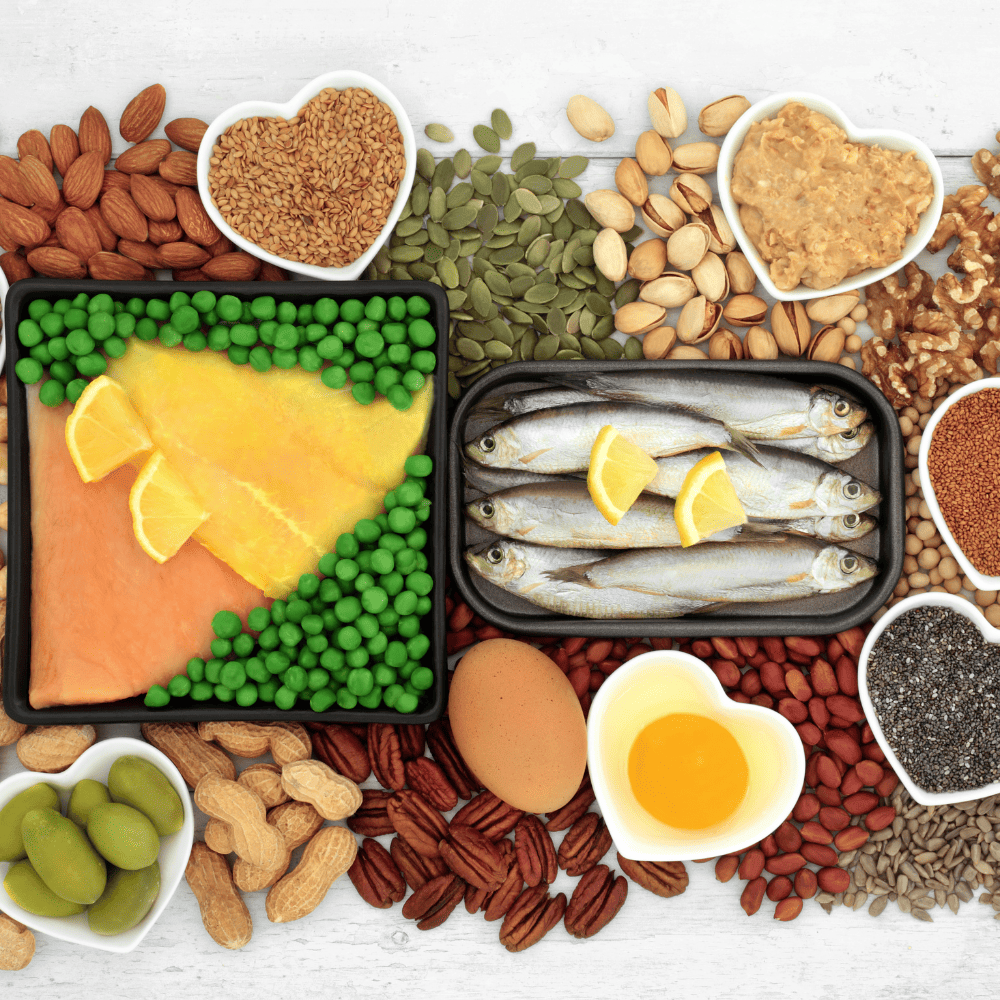
As a powerful antioxidant, vitamin E helps protect the skin from harmful UV rays and reduces inflammation. This vitamin is essential for skin protection and repair. You can find it in foods like sunflower seeds, almonds, avocados, and salmon, all of which support the skin’s defense against external damage.
Vitamin A: For Healthy Skin Cells
Vitamin A plays a crucial role in promoting the production of new skin cells. Both retinoids and carotenoids are forms of vitamin A that support healthy, hydrated skin. A deficiency in vitamin A can lead to dry, flaky skin. Foods rich in vitamin A include carrots, sweet potatoes, spinach, and kale. Additionally, animal sources like salmon and eggs offer beneficial retinoids for skin regeneration.
B-Complex Vitamins: For Skin Rejuvenation
B-complex vitamins, including B1, B2, B3, B5, and others, are essential for cell metabolism and circulation. These vitamins help reduce the effects of aging, improve blood flow to the skin, and enhance UV protection. You can find B vitamins in foods like eggs, fish, whole grains, and leafy greens.
Vitamin K: For Tissue Renewal
Vitamin K supports tissue renewal and the production of new skin cells, making it an essential nutrient for skin repair. It also acts as an antioxidant, helping to protect the skin from free radical damage. Foods rich in vitamin K include spinach, kale, and broccoli.
Minerals for Skin Health
Selenium: Skin’s Antioxidant Partner
When combined with vitamin E, selenium boosts glutathione levels, an antioxidant that helps combat acne and other skin issues. Selenium deficiency can be exacerbated by smoking or heavy alcohol consumption. Foods such as brazil nuts, turkey, and salmon are excellent sources of selenium.
Magnesium: Anti-Aging Mineral
Magnesium is crucial for preventing premature aging and works as an anti-inflammatory. It also helps produce vitamin C, which is vital for skin health. Boost magnesium intake with foods like nuts, spinach, beans, and brown rice.
Zinc: Skin Repair Mineral
Zinc is a mineral that supports skin damage repair and protects against UV rays. It helps regulate vitamin A levels in the body, enhancing skin cell turnover. You can find zinc in foods like oysters, beef, cashews, and chickpeas.
Essential Fatty Acids (EFAs): Building Blocks of Healthy Skin
Essential fatty acids (omega-3 and omega-6) are vital for maintaining healthy skin membranes. They play a significant role in producing the skin’s natural oil barrier, keeping it plump and hydrated. Omega-3 fatty acids, found in salmon, walnuts, and flax seeds, are particularly important for reducing inflammation associated with acne and promoting a youthful appearance.
Final Thoughts
For optimal skin health, it’s important to focus on a balanced diet rich in these vitamins, minerals, and essential fatty acids. A diet with plenty of leafy greens, healthy fats, lean proteins, and fiber-rich foods can help you achieve healthy, glowing skin from within. By nourishing your skin with the right nutrients, you’ll support both your overall health and your complexion.