


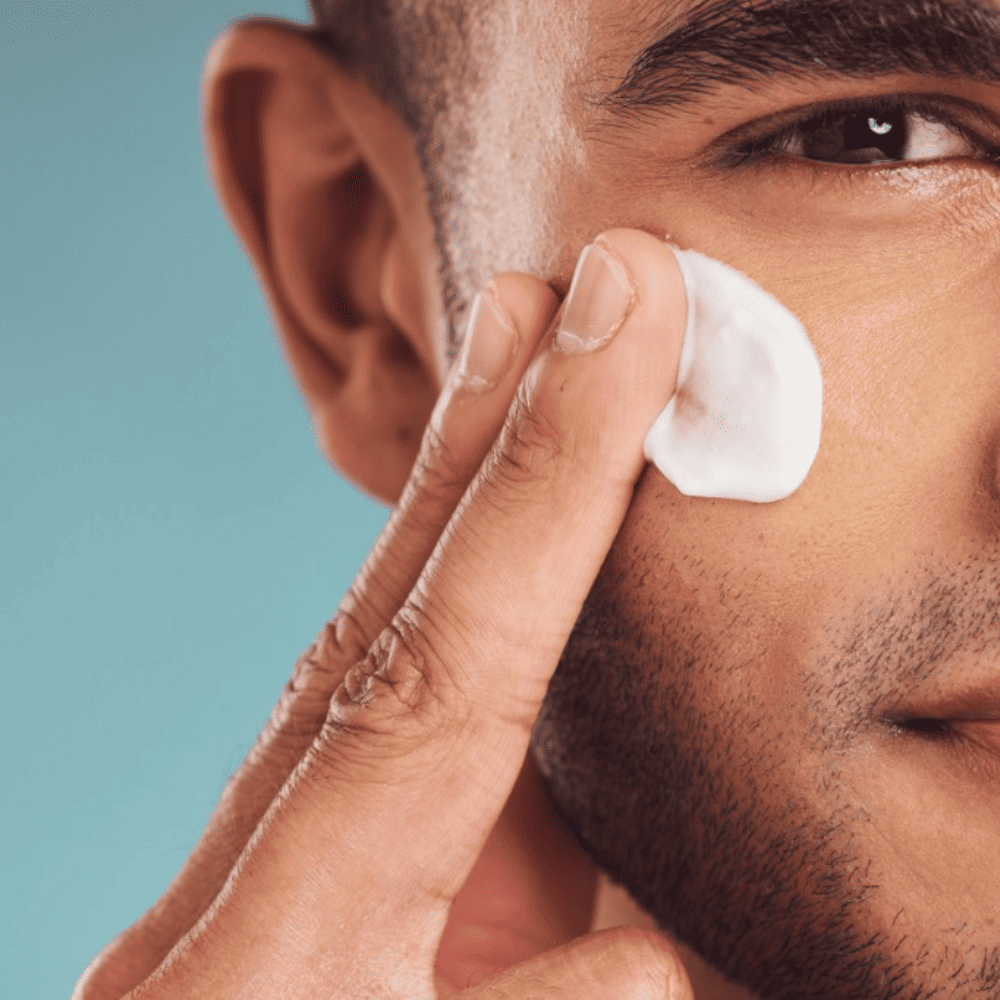
As society shifts and skincare becomes more widely accepted for all genders, there’s a common question that often arises: Is men’s skin actually different from women’s skin? While skincare brands are increasingly offering male-specific products, it’s important to look beyond the marketing and dive into the real differences (and similarities) in skin between men and women.
Is Men’s Skin Different from Women’s Skin?
At the core, men’s skin is indeed different from women’s skin in certain ways, but not as drastically as the marketing might suggest. Men’s skin tends to be thicker, about 25% thicker than women’s skin. This is one reason why men may appear to age more slowly, as their skin is more resilient. However, this thickness does not mean that men’s skin can ignore basic skincare principles.
Men also tend to have more collagen in their skin, which contributes to its strength and elasticity. However, the main difference lies in the amount of sebum (oil) produced by men’s skin. Due to higher levels of testosterone, men’s sebaceous glands are more active, resulting in larger pores and oilier skin. This can lead to an increased likelihood of breakouts and blackheads.
Men’s Skin Needs the Same Care as Women’s
Despite these differences, the skincare needs of men and women are not worlds apart. The same concerns, like acne, aging, and dehydration, can affect both genders, and the solutions are largely the same. For example, men’s skin can benefit from salicylic acid for congestion and hydrating ingredients like hyaluronic acid and peptides. The primary difference is that men’s skin can tolerate stronger products more frequently due to its thickness. While women might use certain products two or three times a week, men can often use them four or five times a week.
Why Do Brands Create Men’s Skincare Lines?
Men’s skincare lines are typically marketed to make men feel more comfortable with skincare routines. These products often feature bold, masculine branding—think dark colors and minimalist designs—which can help break the stigma for men using skincare. However, the ingredients in these products are usually no different from those found in products designed for women. The main difference is the packaging and marketing.
One thing to note is that some men’s shaving products can be problematic. Many shaving foams, balms, and aftershaves contain alcohols, fragrances, and drying ingredients, which can strip the skin of its natural barrier, especially after shaving. This can cause irritation and dehydration, making it important for men to choose gentler, alcohol-free options for their post-shave care.
What Should Men’s Skincare Routines Include?
Men’s skin benefits from the same essentials as anyone’s skin:
- Cleanser: Morning and night, use a gentle cleanser to remove dirt and excess oil.
- Serum: Look for serums containing antioxidants and hydrating ingredients like hyaluronic acid.
- Moisturizer: Even oily skin needs hydration—choose a lightweight moisturizer if you have oily skin.
- SPF: Sunscreen is non-negotiable for everyone, regardless of gender. Daily SPF use helps protect against premature aging, sun damage, and skin cancer.
One additional recommendation is that men should avoid mechanical exfoliators such as scrubs or brushes. Instead, opt for exfoliating acids like glycolic or lactic acid to gently remove dead skin cells without causing damage to the epidermis.
The Bottom Line: Men’s Skin Needs the Same Love
In conclusion, while men’s skin may be thicker and oilier, it needs the same skincare basics as women’s skin: hydration, exfoliation, and protection from the sun. Men’s skincare routines don’t need to be complicated, but they should be consistent. Whether using men’s skincare products or unisex options, the goal is healthy, well-cared-for skin.