

Check out our latest topics with added videos for more helpful tips and insights!
Dry skin is a common concern that affects many people at various times, causing discomfort such as itching, cracking, and scaling. While some may naturally have dry skin, it can also develop temporarily, even for those with oily skin. In this post, we’ll explore the root causes of dry skin, its symptoms, and effective treatments to help restore moisture and maintain skin health.
What Causes Dry Skin?
Dry skin occurs when the skin loses moisture too quickly, leading to dehydration. Several factors can contribute to this, ranging from external environmental conditions to underlying health issues.
1. External Factors:
Hot water, exposure to dry air, and certain weather conditions like cold winters can strip the skin of moisture. Medications, as well as harsh chemicals, can also worsen dryness, leaving the skin vulnerable to irritation and cracks.
2. Underlying Medical Conditions:
Several medical conditions can trigger dry skin, including dermatitis (extremely dry skin). There are different types of dermatitis that affect the skin’s hydration levels:
- Contact Dermatitis: This occurs when the skin reacts to substances it touches, such as certain soaps, cosmetics, or metals, leading to inflammation.
- Seborrheic Dermatitis: Often found on the scalp, this type of dermatitis involves excessive oil production and leads to a red, scaly rash.
- Atopic Dermatitis (Eczema): A chronic condition that causes dry, itchy patches of skin, eczema is one of the most common causes of dry skin.
- Psoriasis and Diabetes: Conditions like psoriasis, a skin condition that causes rapid skin cell turnover, and type 2 diabetes, which affects skin hydration, can also lead to persistent dry skin.
Symptoms of Dry Skin
Dry skin can manifest in various forms, with common symptoms including:
- Itchiness: A constant urge to scratch dry skin patches
- Cracking: Skin that breaks open or bleeds, often in extreme cases
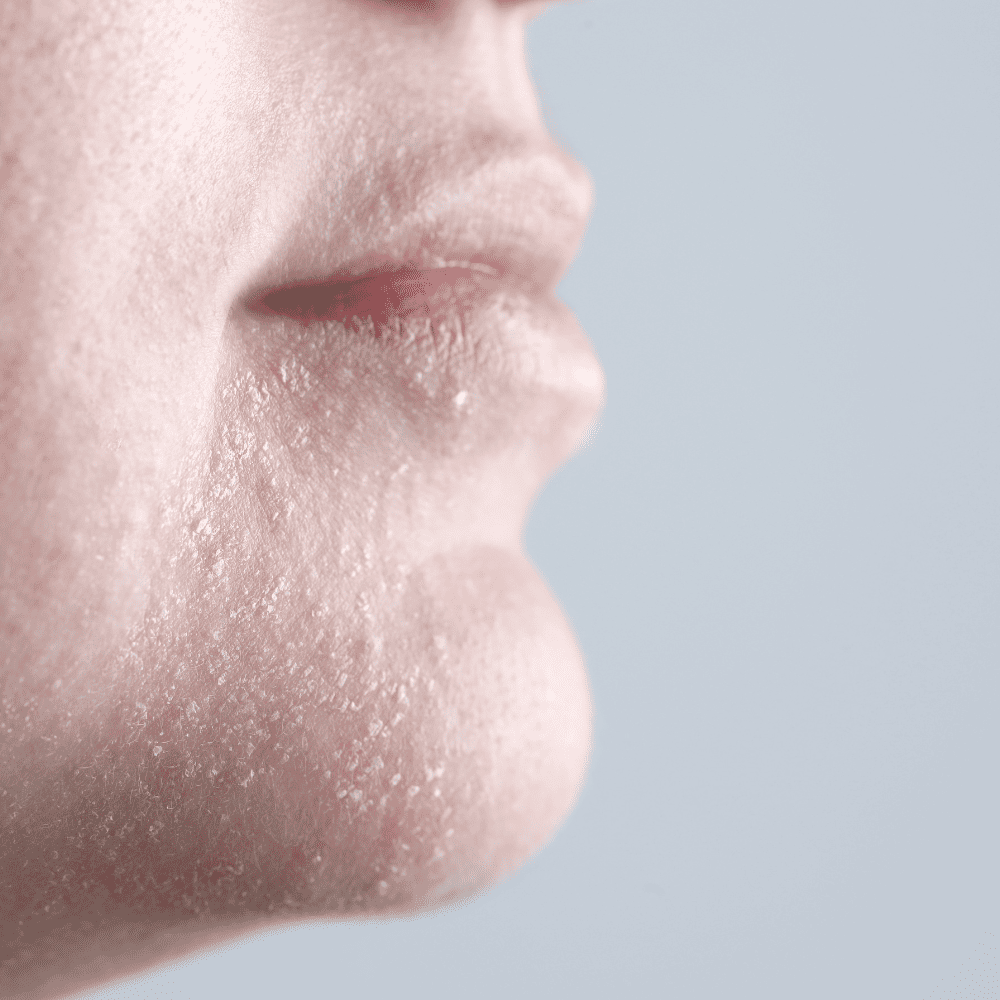
- Flakiness: Skin peeling or scaling
- Rough Texture: Skin feels rough to the touch
- Redness and Inflammation: Areas of redness and irritation can also occur
If left untreated, dry skin can lead to infections or worsening of the condition due to scratching and further irritation.
Risk Factors for Dry Skin
Certain factors increase the likelihood of developing dry skin:
- Age: Older individuals are more prone to dry skin due to decreased oil production in the skin.
- Medical History: If you have a history of eczema, contact dermatitis, or other allergic conditions, you may be at a higher risk.
- Bathing Habits: Long, hot showers or frequent bathing can strip the skin of its natural oils, leading to dryness.
Treatment for Dry Skin
Treating dry skin depends on its underlying cause. In most cases, over-the-counter moisturizers or lifestyle adjustments can provide relief. If the condition persists, it’s important to consult with a healthcare professional, and a dermatologist may recommend prescription ointments or lotions.
Common treatments include:
- Moisturizers: Using thick, emollient-rich moisturizers can help seal in moisture. For extremely dry skin, petroleum-based products work best.
- Prescription Creams: In some cases, a doctor may prescribe topical corticosteroids to reduce inflammation.
- Lifestyle Changes: Avoiding hot showers, using a humidifier in dry weather, and drinking plenty of water can also help improve skin hydration.
Preventing Dry Skin
There are several steps you can take to prevent dry skin from developing or worsening:
- Avoid Hot Water: Showering with hot water can dry out the skin. Opt for lukewarm water instead.
- Shorten Shower Time: Limit your shower time to less than 10 minutes to prevent skin dehydration.
- Choose Gentle Soaps: Use moisturizing soaps or those designed for sensitive skin.
- Pat Dry: After showering, pat your skin dry with a soft towel, rather than rubbing it.
- Use a Humidifier: Especially during the winter, a humidifier helps keep the air moist, preventing skin from drying out.
- Stay Hydrated: Drinking plenty of water supports overall skin health.
In the summer months, switch to a lighter, water-based lotion. Antioxidant-rich lotions containing ingredients like grape seed oil can help lock moisture into the skin.
Conclusion
Dry skin can be uncomfortable, but with the right treatment and prevention strategies, you can keep your skin hydrated and healthy. Whether caused by environmental factors or underlying health conditions, understanding the causes of dry skin allows you to take proactive steps to restore moisture and prevent future flare-ups.