
Check out our latest topics with added videos for more helpful tips and insights!
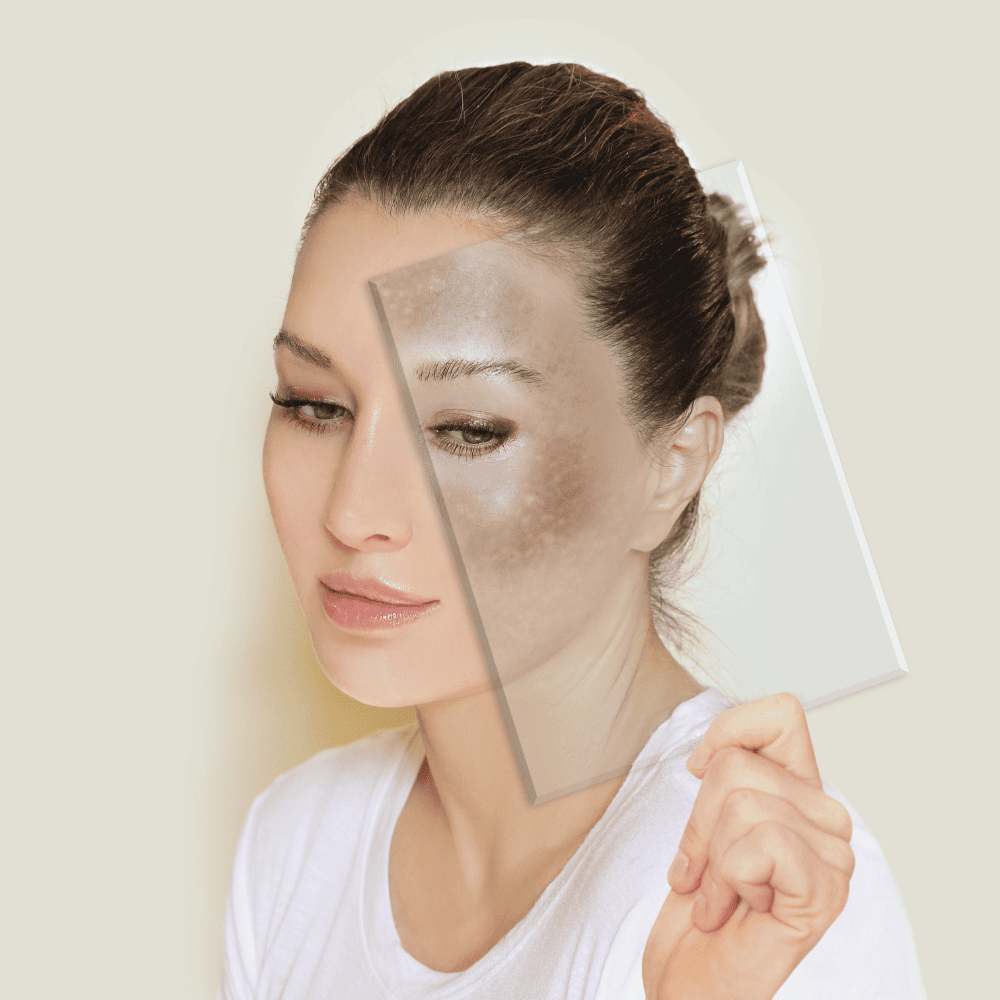
Have you ever wondered why we all have different skin colors? While skin covers our entire body, its color varies from person to person, and understanding the science behind it is fascinating. Skin color is primarily determined by melanin, a pigment produced by specialized cells within the skin. Let’s dive into the layers of the skin and explore how melanin gives us our unique skin tones.
The Three Layers of Skin
Skin consists of three main layers, each with its own set of roles. The outermost layer, known as the epidermis, plays a crucial part in determining skin color. The epidermis contains two important types of cells: keratinocytes and melanocytes.
- Keratinocytes form the surface of the skin and protect the body from environmental damage.
- Melanocytes, located deeper within the epidermis, are the cells responsible for producing melanin, the pigment that gives skin its color.
Melanin Production
To understand how melanin is produced, we need to zoom in on the melanocytes. Inside these star-shaped cells are structures called melanosomes, which act as melanin factories.
- Melanin is created through a series of chemical reactions inside the melanosomes.
- The amino acid tyrosine is transformed into melanin, which then determines the color of the skin. The balance between two forms of melanin—reddish-yellow and black-brown—plays a significant role in how dark or light someone’s skin appears.
The number of melanosomes, as well as the amount of melanin produced, varies from person to person. This variation is the main factor that determines individual skin color.
The Role of Melanin in Protecting Skin
Once melanin is produced, it must be transported to the keratinocytes. This is done through long projections from the melanocytes that deliver melanosomes to the surface of the skin. Inside the keratinocytes, some melanosomes form a protective cap around the cell’s nucleus.
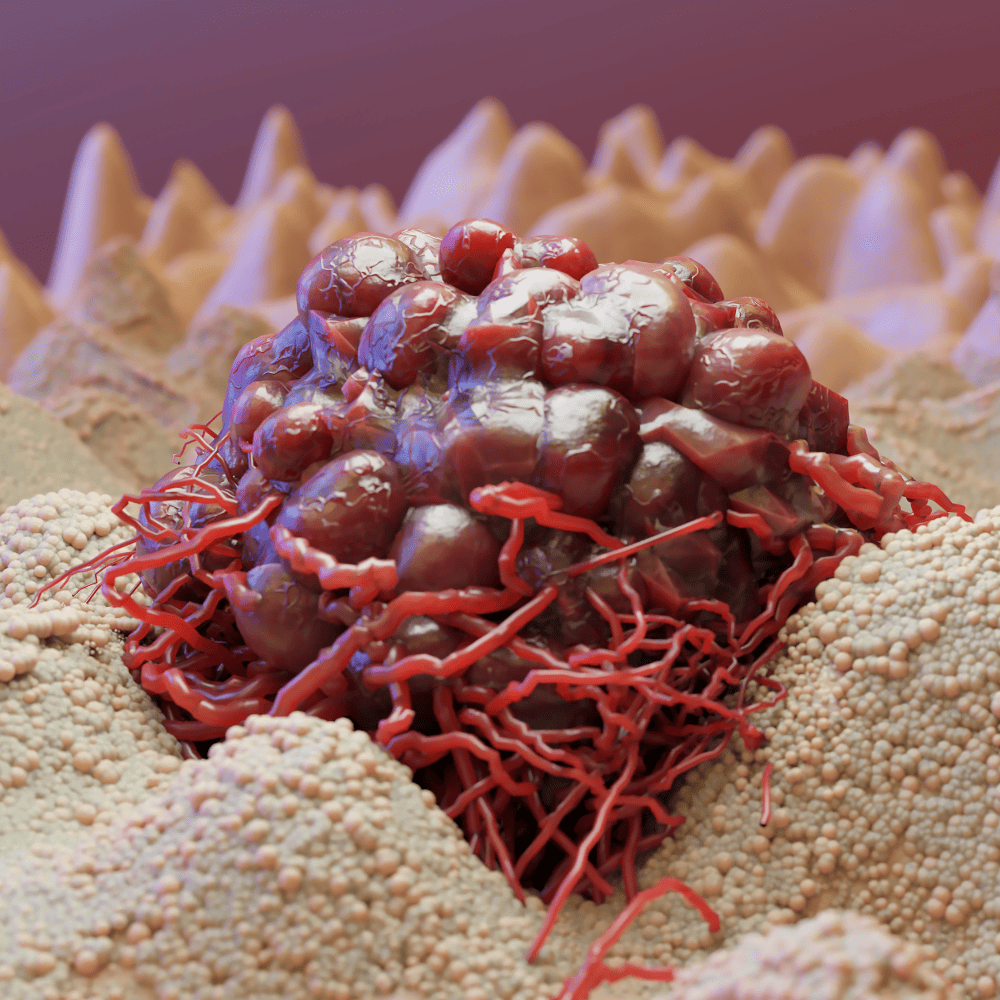
Melanin’s job is to absorb ultraviolet (UV) radiation from sunlight. By doing so, it helps reduce the amount of UV that reaches the cell nucleus and, more importantly, the DNA within the nucleus. UV radiation can cause mutations in DNA, which may lead to skin cancer. The more melanin present, the better the skin is protected against harmful UV rays.
Why Some Skin Colors Tan More Than Others
When exposed to more sunlight, the body ramps up melanin production. This is why many people tan when they spend time in the sun. However, the genetic inheritance of a person determines both the natural baseline color of their skin and how much they can tan. Some individuals may naturally have darker skin, which already contains a higher amount of melanin, while others may have lighter skin and can only produce a limited amount of melanin in response to sun exposure.
Conclusion
Skin color is a result of complex biological processes that involve melanin production, the skin’s defense against UV radiation, and genetic factors. Melanin plays a vital role in protecting our skin from the harmful effects of UV rays, while also giving us our unique skin tones.